

Kyoto’s Hidden Spring Openings: Zen, Warlords, and Living Faith
Three limited-time temple openings reveal the spiritual and political forces that shaped Kyoto
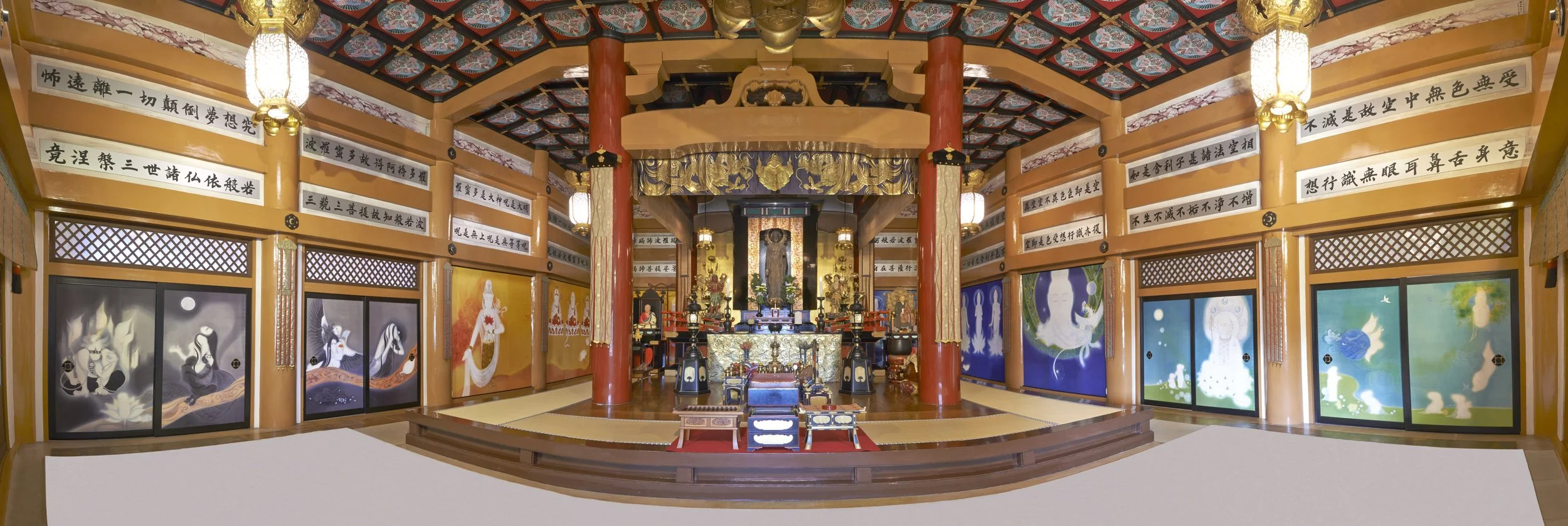
Mibu Temple
They are not headline attractions, but part of Kyoto’s deeper cultural fabric—shaped by Zen practice, tea culture, popular faith, and the ambitions of Japan’s warriors. For visitors inspired by series such as the Emmy-winning series “SHOGUN,” these limited temple openings offer a quieter, more authentic encounter with samurai history and spiritual life, preserved in architecture, gardens, and ritual spaces rather than dramatized on screen.
The Daitoku-ji complex, long supported by figures such as Nobunaga Oda and Hideyoshi Toyotomi, became a late 16th-century center where Zen monks, tea masters, and warriors shaped what we now call Japanese aesthetics. Beyond it, Mibu Temple preserves Jizo devotion, the 700-year-old Mibu Kyogen, and the legacy of the Shinsengumi. Together, the spring openings of Obai-in, Soken-in, and Mibu Temples reveal intersecting layers of Kyoto’s formative past.
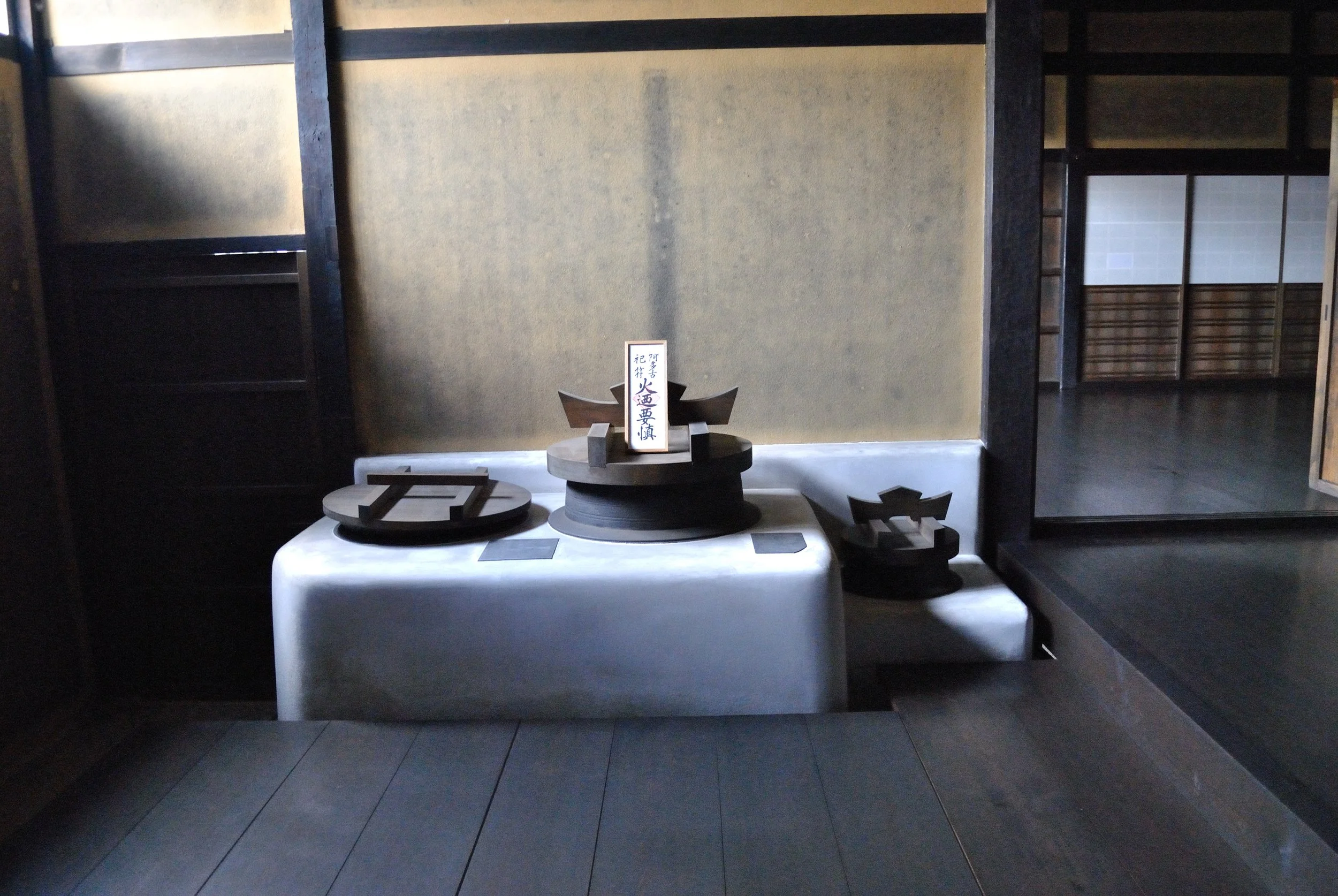
Obai-in Temple – Zen, Tea, and the Art of Restraint
Founded by Nobunaga Oda and later expanded by Hideyoshi Toyotomi, Obai-in Temple holds a particularly rich concentration of cultural memory. The sub-temple is best known for its gardens and architecture, both of which reflect the Zen ideal of disciplined simplicity.
l The Kuri: Zen Practice in Everyday Work
Japan’s oldest surviving kuri (temple kitchen), designated an Important Cultural Property, stands as a reminder that Zen practice extended beyond meditation halls. In Zen monasteries, daily tasks such as cooking were considered spiritual discipline. Walking through this space reveals how mindfulness and order shaped even the most practical aspects of monastic life.
l Jikichu-tei Garden: Rikyu’s Aesthetic Legacy
The Jikichu-tei garden is traditionally attributed to Sen no Rikyū, the tea master who transformed Japanese aesthetics through simplicity. Composed of moss, stones, and a gourd-shaped empty pond linked to Toyotomi Hideyoshi, the garden also features a Korean-style stone lantern associated with Katō Kiyomasa, reflecting the era’s political and cultural exchanges.
l Ink Paintings of the Momoyama Spirit
Sliding door paintings produced by Unkoku Togan, now shown in reproduction, appear in the main hall. Their bold ink compositions reflect the dynamic energy of the Momoyama period while remaining grounded in Zen tradition. Together with the architecture and garden, they form a cohesive aesthetic world shaped by samurai patronage and spiritual discipline.
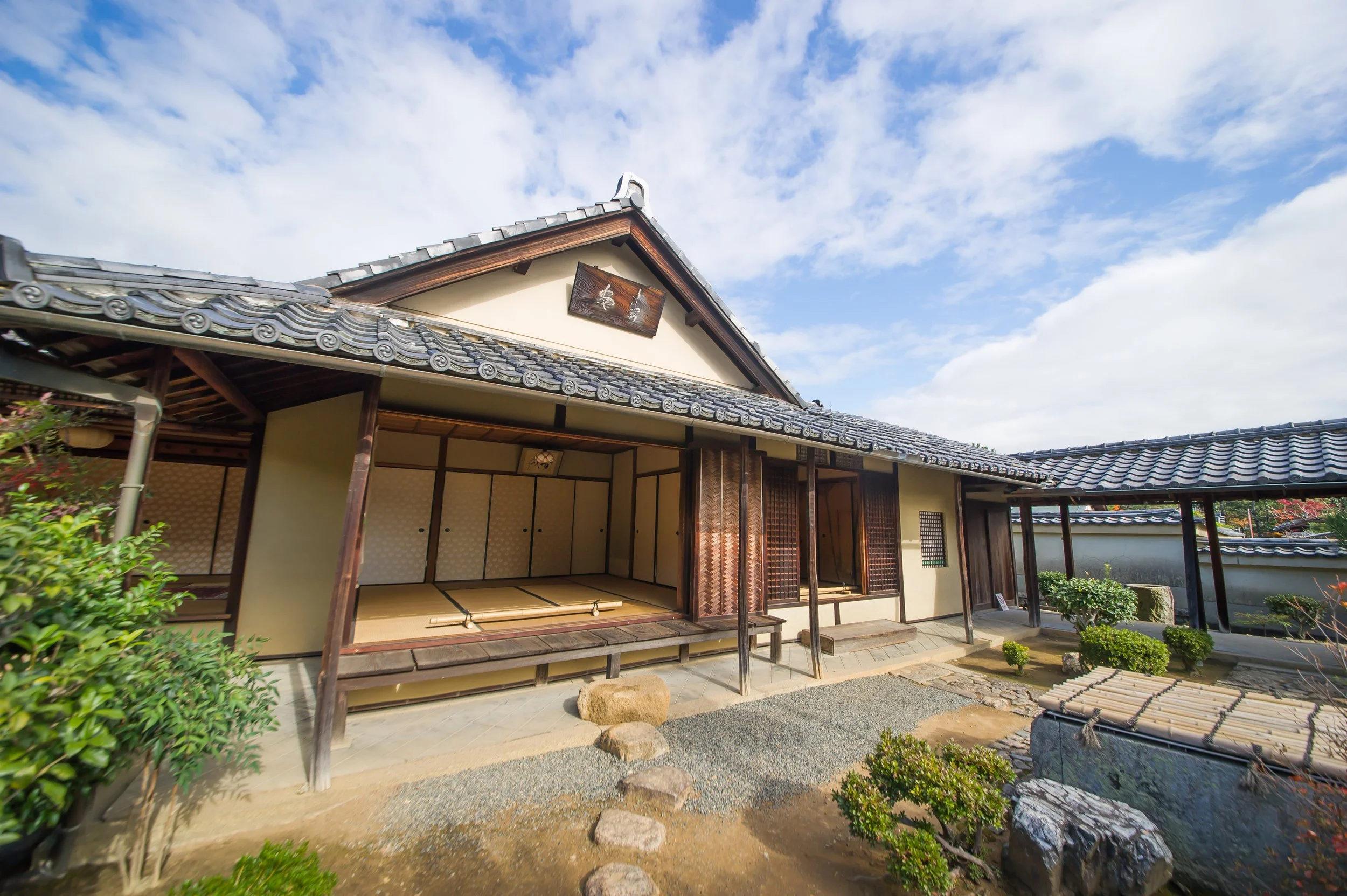
Soken-in Temple – Memory, Power, and Commemoration
If Obai-in Temple speaks in quiet tones, Soken-in Temple tells a more overtly political story. Established by Hideyoshi Toyotomi to mourn Nobunaga Oda after his death at Honno-ji Temple, the temple functioned as both a memorial and a declaration of Hideyoshi’s legitimacy taking over the Oda’s reign. Soken-in Temple offers a rare opportunity to engage directly with this turning point in Japanese history.
l A Life-Size Image of Oda Nobunaga
At the heart of Soken-in stands a life-size wooden seated statue of Oda Nobunaga, created for his funeral rites. Its piercing gaze conveys a sense of authority and tension that still resonates today. Deeper within the temple grounds lies Nobunaga’s memorial stupa, surrounded by the graves of his family members, including his wife Nohime. emphasize remembrance over display.
l Tea as a Language of Power
Soken-in is closely linked to tea culture. Records note Hideyoshi Toyotomi hosting tea gatherings here during Daitoku-ji events. In the Sengoku era, tea functioned as a tool of politics, authority, and cultural leadership.
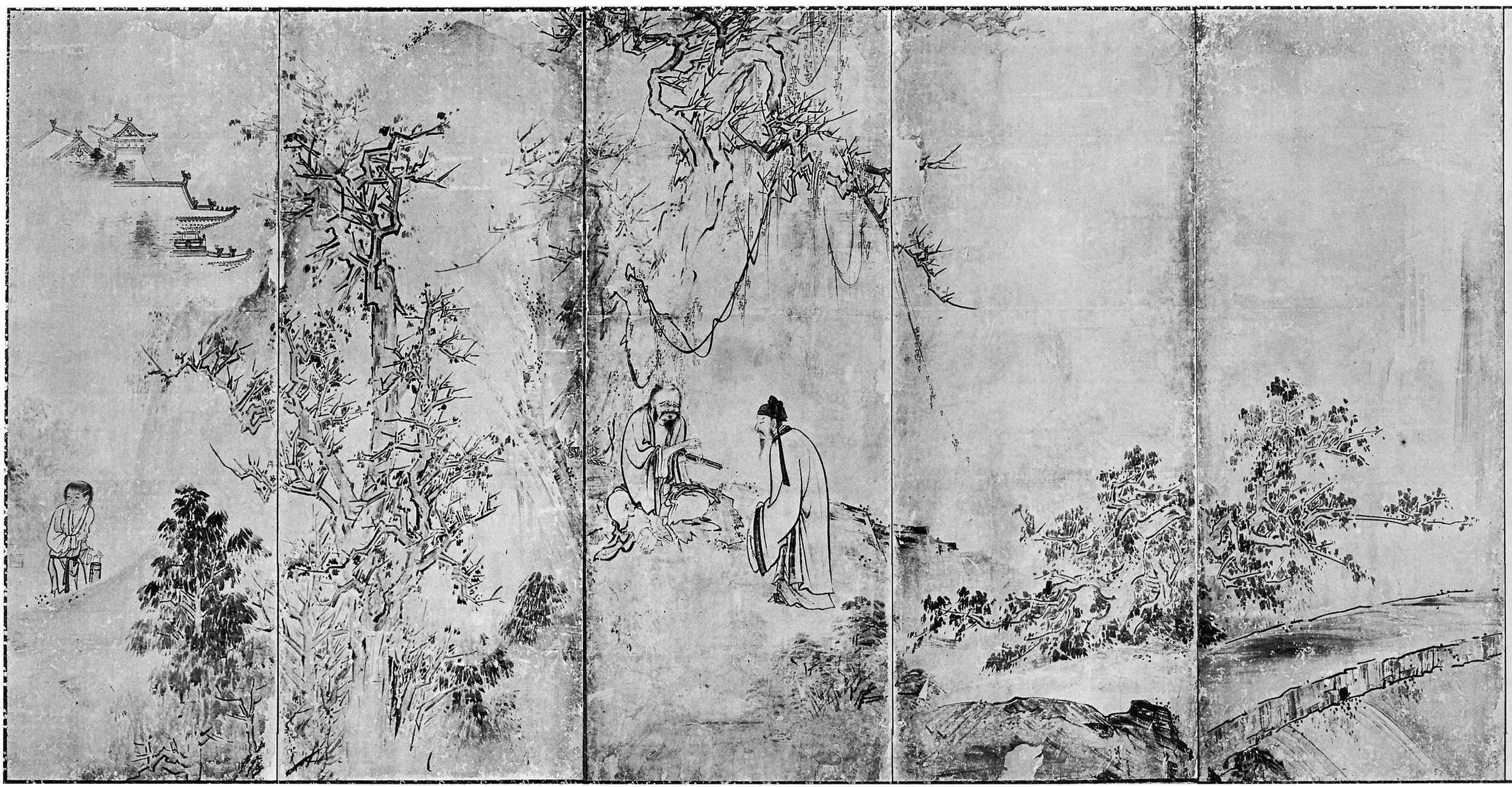
Ink painting by Tohaku Hasegawa
Mibu Temple – Jizo Devotion, Sacred Performance, and the Shinsengumi Legacy
Unlike the political tone of Soken-in or the Zen refinement of Obai-in Temples, Mibu Temple reflects the devotional faith of ordinary people. Founded in 991, it has long been associated with protection from misfortune. The temple is known for Jizo worship, the 700-year-old Mibu Kyogen performances, and its ties to the Shinsengumi. During the Kyogen season in late April and early May, the main hall and garden are specially opened to the public.
l The Reconstructed Nawame Jizo (Enmei Jizo Bosatsu)
The former principal image, Nawame Jizo, traditionally attributed to the Heian master Jocho, was lost to fire. The present statue was reconstructed from a Kamakura-period illustration of the original. The 14th-century “Taiheiki” records that the Jizo was bound in place of a fleeing warrior, giving rise to the name “Nawame” (rope-marked) Jizo.
l The Scenic Garden of the Main Hall
Created in the early Edo period, this garden was once a pond-strolling garden and is now dry. Composed around a dry pond, the garden is distinguished by a dry waterfall stone arrangement at the rear right and a large stone bridge, creating a balanced and harmonious design even without water.
l Important Cultural Property: “Ressen-zu Byobu” (Right Panel) by Tohaku Hasegawa
This folding screen portrays Daoist immortals framed by monumental pine trees. Attributed to Tohaku’s (1539-1610) later years, the work combines controlled brushwork with expressive presence, adding an artistic layer to the temple’s religious heritage.
Special temple openings listed here are organized by KYOTO SHUNJU https://kyotoshunju.com