

A Quiet Revolution in a Cup
Rediscovering tea at 7T+ in Kyoto
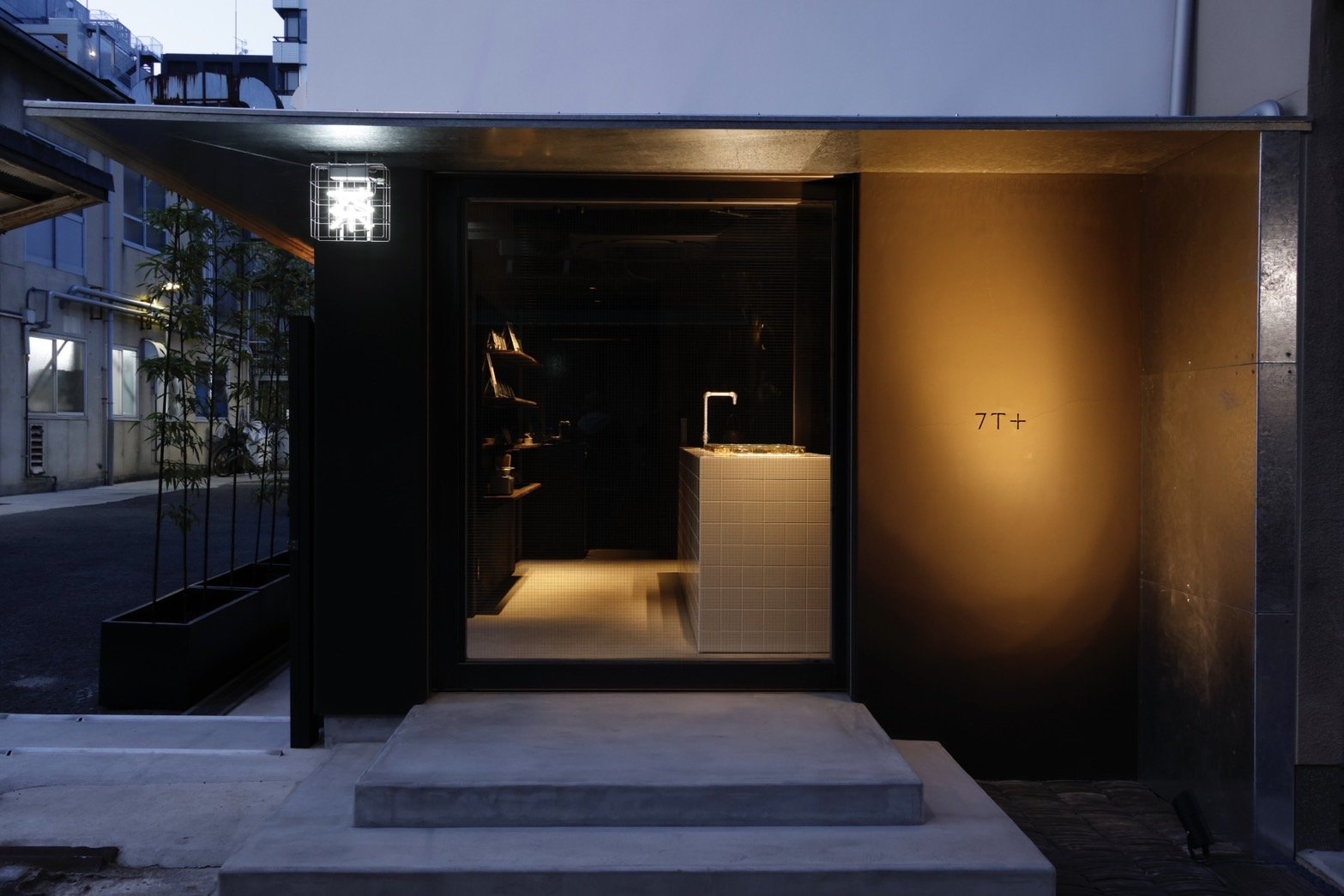
Just a short step south from the busy flow of Shijo Street, where Kyoto’s crowds move endlessly between shops and cafes, a narrow lane leads you to something quieter—and unexpectedly intriguing. There, behind a glass façade, sits “7T+”, a small tea shop that gently disrupts everything you thought you knew about tea.
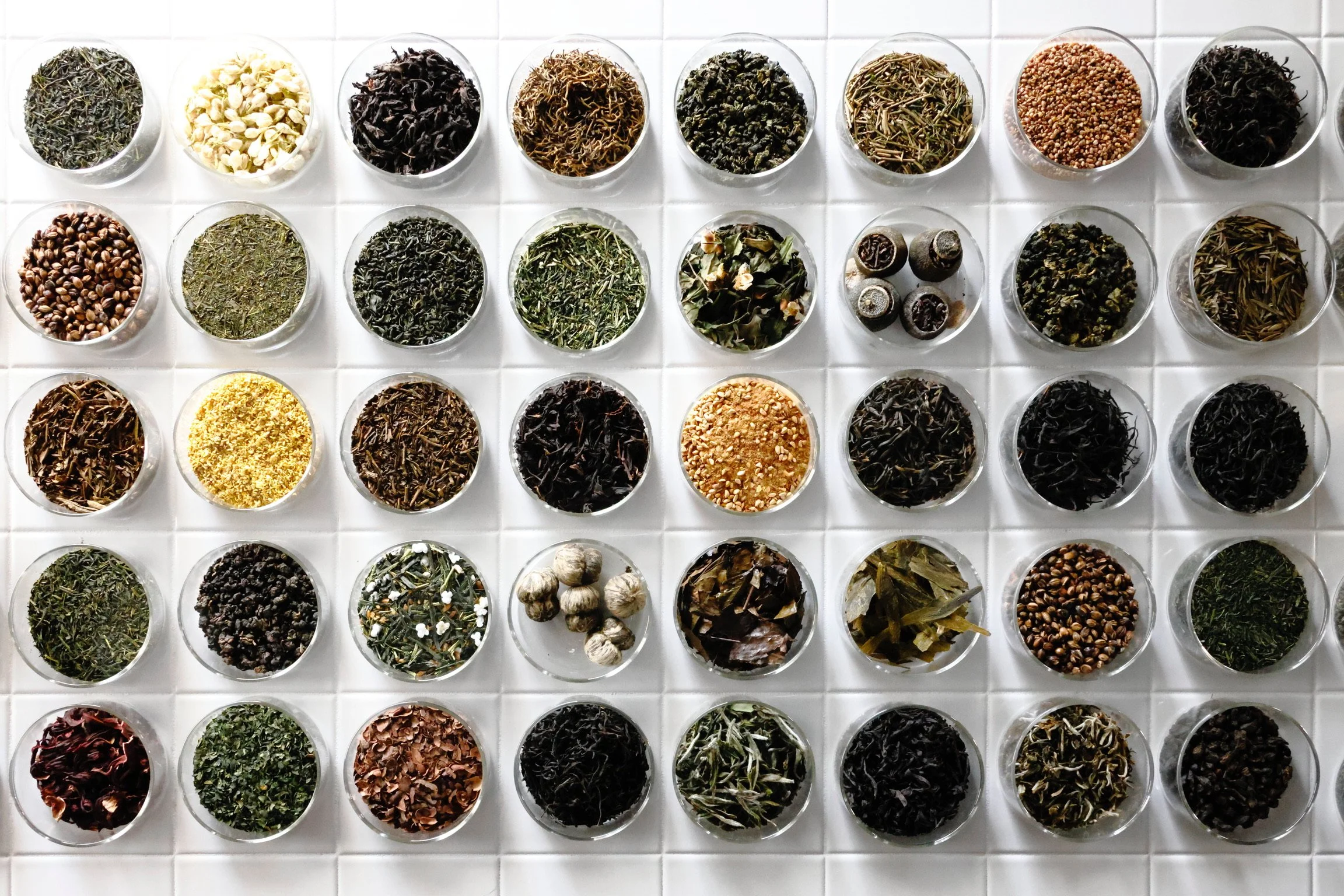
At first glance, the space feels almost minimalist. A clean white-tiled counter stretches across the interior, and behind it, rows of glass jars line the wall—each filled with loose tea leaves of different shapes, colors, and textures. There are no price tags, no origin labels, no tasting notes. Just tea, presented as it is.
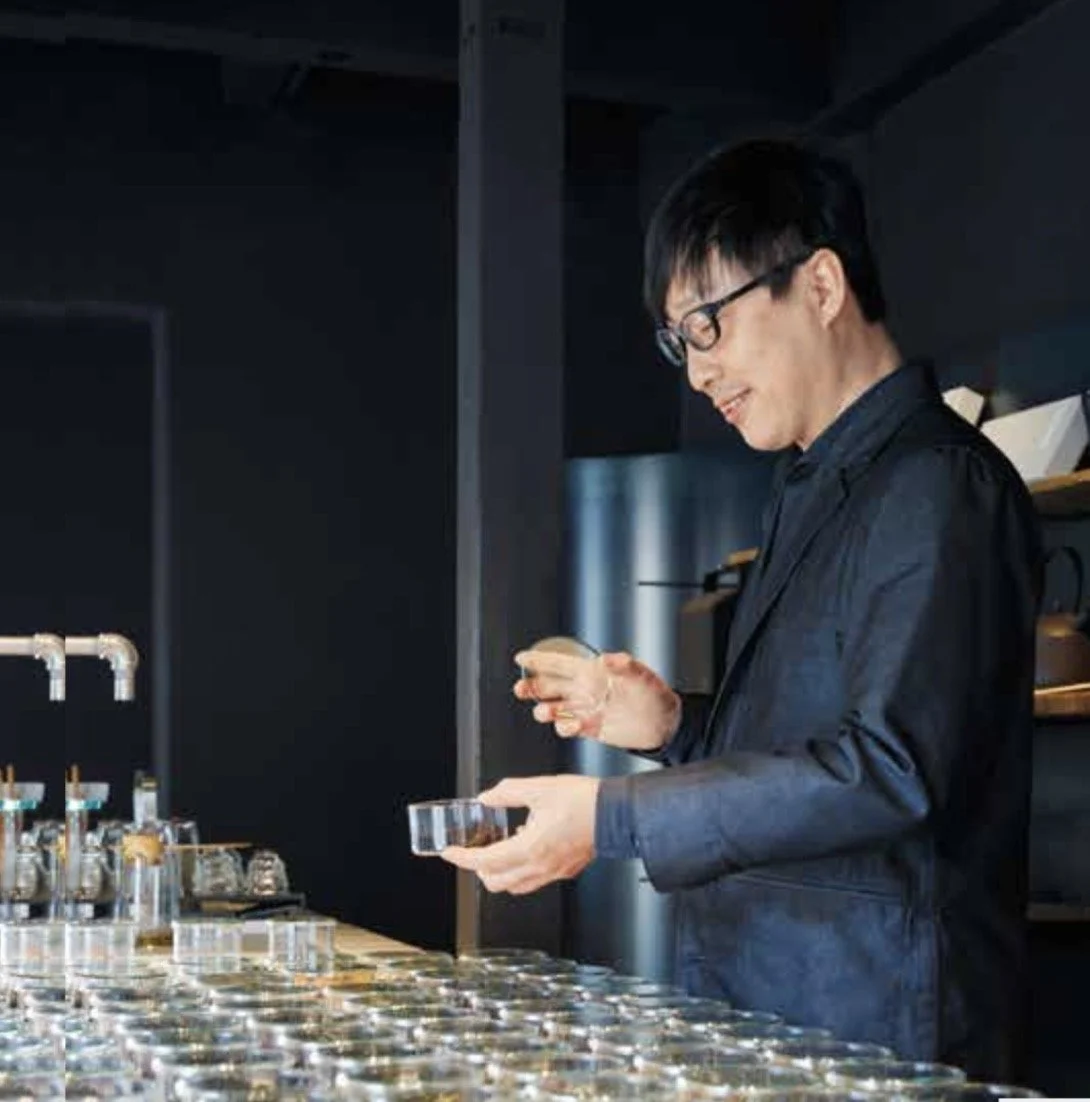
The shop is led by Kenji Nakano, a certified tea evaluator in China—a rare qualification that reflects deep expertise in Chinese tea. At the same time, driven by a strong desire to share the richness of Japanese and other regional teas as well, he is also a certified Japanese Tea Instructor. Yet rather than overwhelming visitors with knowledge, Nakano has designed 7T+ to do the opposite: to simplify, to guide, and to open the door for anyone—whether a seasoned tea lover or a curious beginner.
His approach was shaped by a formative experience. On his first visit to China in 2000, he entered a tea shop hoping to buy tea, only to find himself completely lost. Faced with thousands of varieties and rapid-fire questions about preferences, grades, and budgets, he realized how inaccessible the world of tea could feel.
“That confusion stayed with me,” he reflects. “I think many people feel the same hesitation when they step into a specialty tea shop.” As a result, 7T+ was created as a response—a kind of compass in the vast world of tea.
At the core of the shop is a simple yet powerful idea: tea is categorized not by country or tradition, but into seven types, based on flavor, aroma, and processing methods. This concept builds on the classic Chinese “six-category system,” developed in 1978, which brought structure to what had long been a complex and often confusing field. Nakano adds a seventh category, reflecting the ongoing evolution of tea itself.
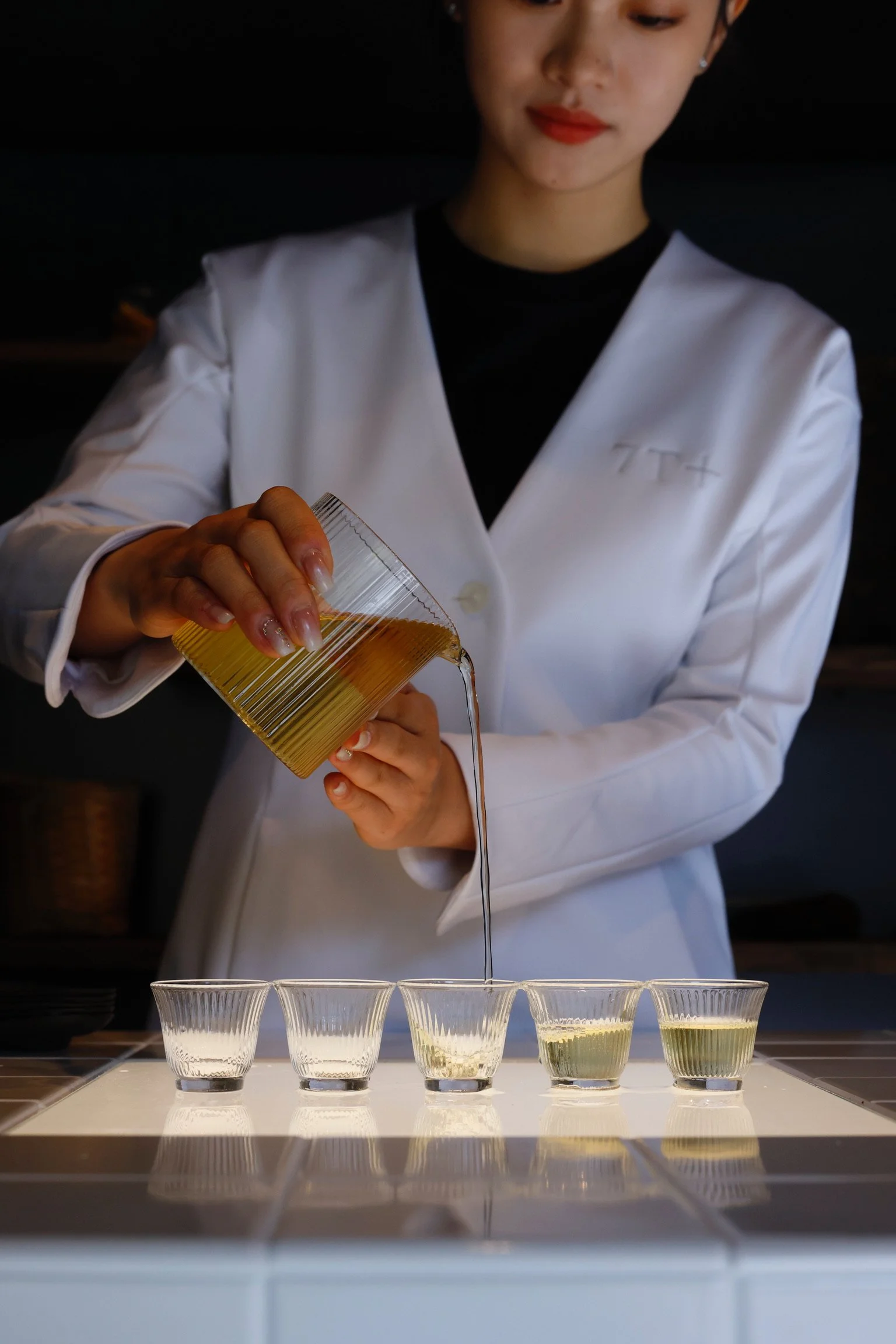
This means that instead of choosing between “Japanese tea,” “Chinese tea,” or “black tea,” visitors are invited to explore tea more intuitively—through taste and personal preference. It’s a subtle but radical shift. Here, you are not expected to know tea. You are simply asked to experience it. The staff, deeply knowledgeable yet approachable, guide customers through this process with warmth and ease.
Conversations replace labels. Curiosity replaces hesitation. Beyond loose-leaf tea, 7T+ also offers a range of cafe-style menu items—matcha lattes made with Uji-grown tea, as well as tea-infused gelato that captures the nuanced flavors of different leaves. These offerings provide an accessible entry point, especially for those less familiar with traditional tea culture.
Nakano’s own path to tea was anything
but conventional. Originally a ceramic
artist in Shigaraki, he later ran a Chinese
restaurant after meeting a master chef
with one of China’s highest culinary
qualifications. Immersed in authentic
Chinese food culture, his interest gradually
shifted toward beverages—and ultimately,
to tea.
Through this journey, he came to realize something surprising: despite its reputation, Japan is not among the world’s top tea-consuming countries. Tea, in fact, is far more diverse and globally widespread than many imagine. Even today, new styles continue to emerge—Japanese black tea, Chinese green tea, and countless hybrids that blur traditional boundaries.
In this context, 7T+ becomes more than just a tea shop. It is a place to rediscover tea—not as something defined by tradition or expectation, but as a living, evolving experience.
7T+ Hours 11:00-19:00; On the north side of Aneyakoji, between Tominokoji and Fuyacho St. / https://7teaplus.com / @7teaplus_kyoto