

Where frost and prayer meet beneath thousand-year trees
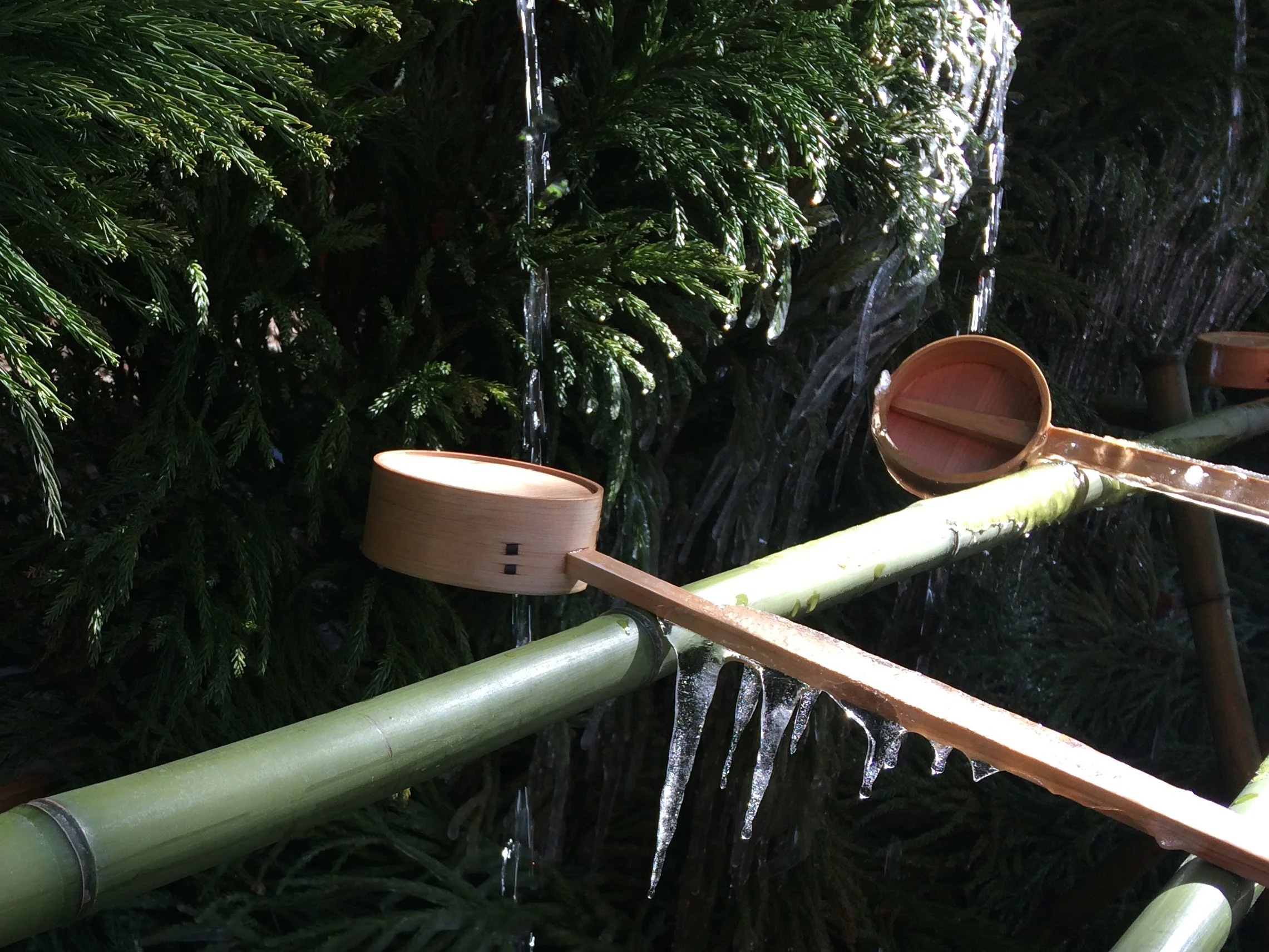
On Kyoto’s coldest mornings, when breath turns to mist and the air rings with quiet, few places feel as timeless as Tadasu-no-Mori, the primeval forest surrounding Shimogamo Shrine. The path begins just beyond the Kamo River, where the city’s hum fades into stillness. Frost glitters on fallen leaves, sunlight filters through tall camphor trees, and the sound of crows breaks the silence like a call from another century. This is Kyoto before movement — a forest where time rests, waiting for the day to begin. Step into Kyoto’s ancient forest, where frost, cedar, and silence renew both the earth and the heart.
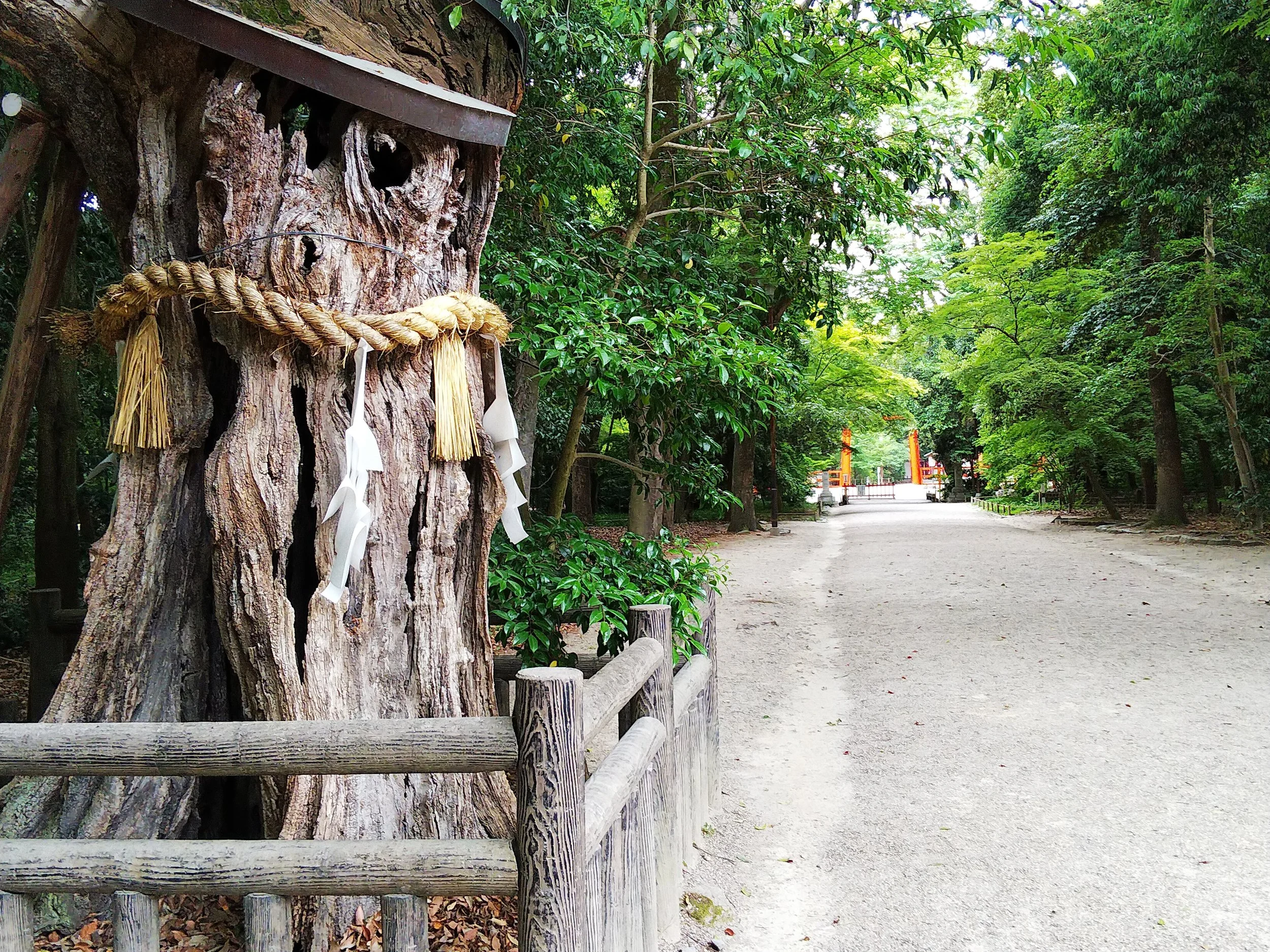
Tadasu-no-Mori, literally “the Forest of Purification,” is an ancient lowland forest located within the precincts of Shimogamo Shrine, covering approximately 12 hectares between the Kamo and Takano rivers. It has been preserved since the Heian period and represents one of the last remnants of the primeval forest that once covered the Kyoto Basin. The woodland is home to around 4,700 trees from over 40 species—including camphor, zelkova, oak, and hackberry—forming a diverse ecosystem that maintains its natural structure despite the surrounding urban environment.
Designated as part of the UNESCO World Heritage Site “Historic Monuments of Ancient Kyoto,” Tadasu-no-Mori holds both ecological and cultural significance as a living link between nature and the city’s early history. Visitors can enjoy a tranquil walk along the forest’s shaded paths, where dappled sunlight, birdsong, and the gentle sound of flowing water evoke the serene atmosphere of Kyoto’s ancient landscape.
Early morning is when Tadasu-no-Mori reveals its character. Steam rises from the Mitarashi stream, and the smell of cedar and earth sharpens in the cold air. Locals come to sweep paths or bow lightly at the small altars scattered through the woods. In these moments, the forest seems to breathe with them — ancient but awake, sacred but alive.
For visitors, the forest offers both spiritual and ecological lessons. Signboards explain how Shimogamo Shrine’s caretakers manage fallen leaves without chemicals, using them as natural mulch to protect soil and moss. The path from Demachiyanagi Station takes less than ten minutes on foot, making it an easy winter walk for those seeking quiet after the crowds of downtown.
Arrive early, when light filters low through the branches and deer tracks still mark the sand near the stream. Bring gloves, walk slowly, and listen: to the wind in the trees, to the rhythmic sweep of a monk’s broom, to the distant echo of a bell from the main sanctuary. Tadasu-no-Mori isn’t just a forest; it’s a living memory of Kyoto itself—a reminder that even in winter, stillness is the city’s purest form of beauty.