

Shinrin-Yoku
Slowing Down in Kyoto’s Forests
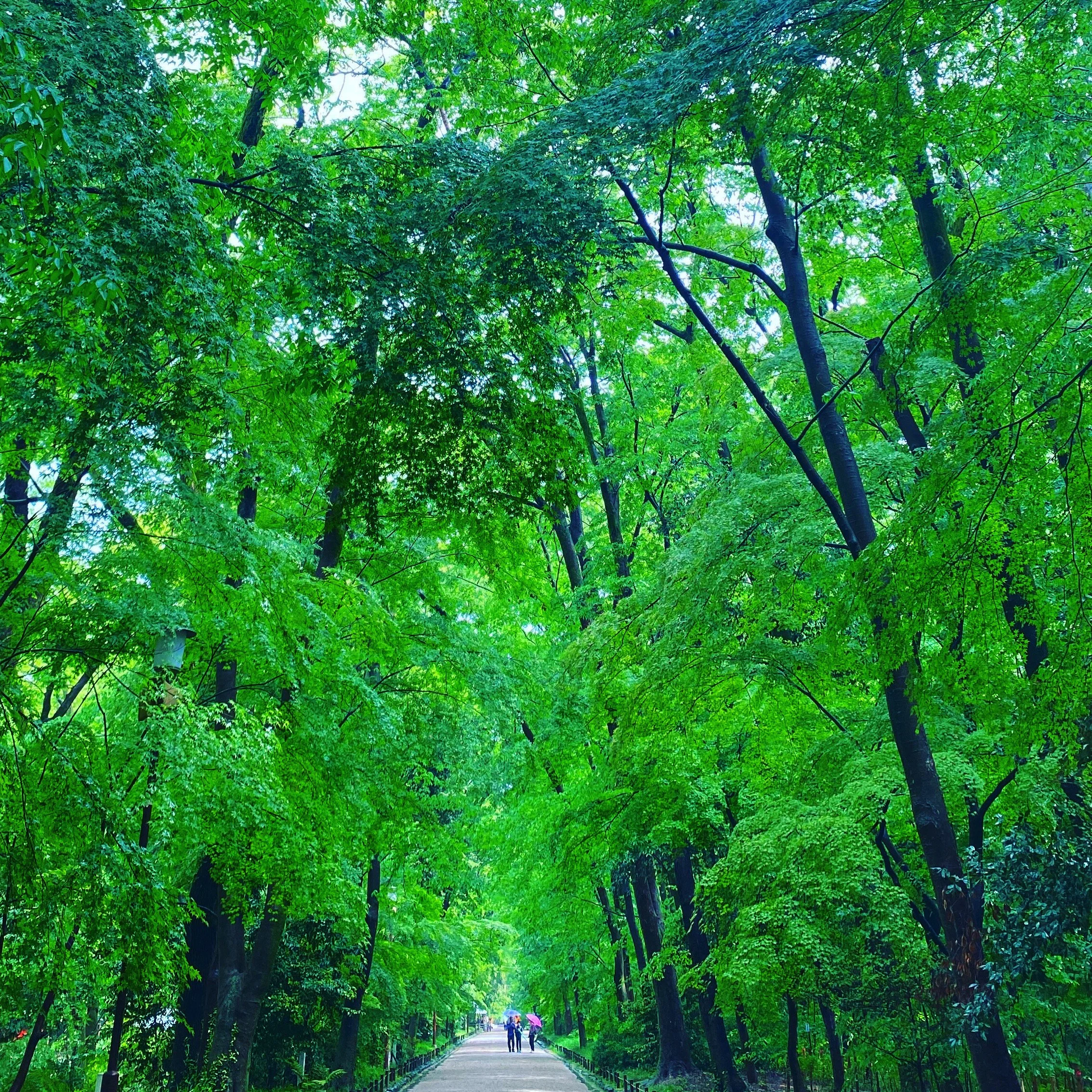
In modern Japan, where city life often moves at an exhausting pace, many people are rediscovering a simple practice: spending quiet time among trees. Known as “Shinrin-yoku,” or “forest bathing,” it is not about exercise or hiking long distances, but about immersing oneself in the atmosphere of the forest through the senses—listening to leaves rustling, noticing the scent of cedar, and slowing down enough to observe the natural world.
The term “Shinrin-yoku” was coined in Japan during the 1980s as a response to rising stress levels and increasingly urban lifestyles. Today, the practice has gained international attention as people search for healthier ways to cope with stress, fatigue, and digital overload. In Kyoto, surrounded by mountains, temple groves, and quiet forests, the idea feels especially natural.
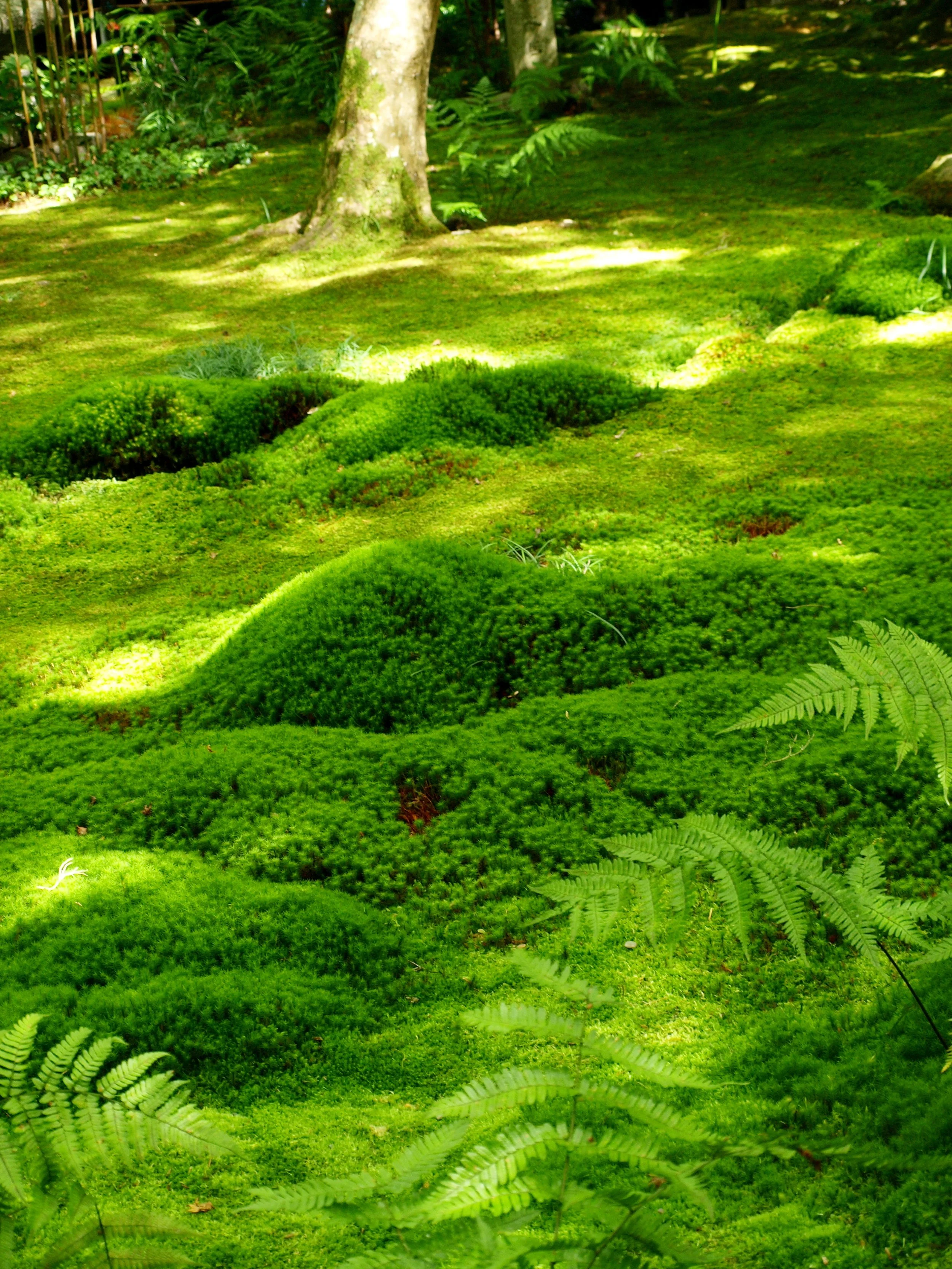
Unlike intense outdoor activities, forest bathing encourages people to move slowly and without a goal. There is no need to count steps, check phones, or rush toward a destination. The experience is closer to meditation than exercise, and even a short walk through a quiet forest can create a surprising sense of calm.
Researchers in Japan have studied the effects of Shinrin-yoku for decades, and the reported benefits are wide-ranging. Spending time in forests may help reduce stress hormones, lower blood pressure, improve concentration, and support better sleep. Forest bathing can also help people mentally reset, easing anxiety and emotional fatigue caused by constant stimulation.
For people living in cities, this kind of quiet has become increasingly rare. Forest bathing offers a chance to step outside the cycle of screens, traffic, and endless schedules. In a culture shaped by speed and distraction, Shinrin-Yoku reminds us that sometimes the most meaningful experience is simply to pause, breathe deeply, and listen to the wind moving through the trees.
Recommended Shinrin-yoku Spots in Kyoto
Tadasu-no Mori: The ancient forest surrounding Shimogamo Shrine. The forest has been protected for centuries and was once much larger, covering a wide area of northern Kyoto. Today, visitors can still experience a rare sense of quiet beneath the canopy of elm and zelkova trees while hearing the nearby Kamo River flowing softly in the background.
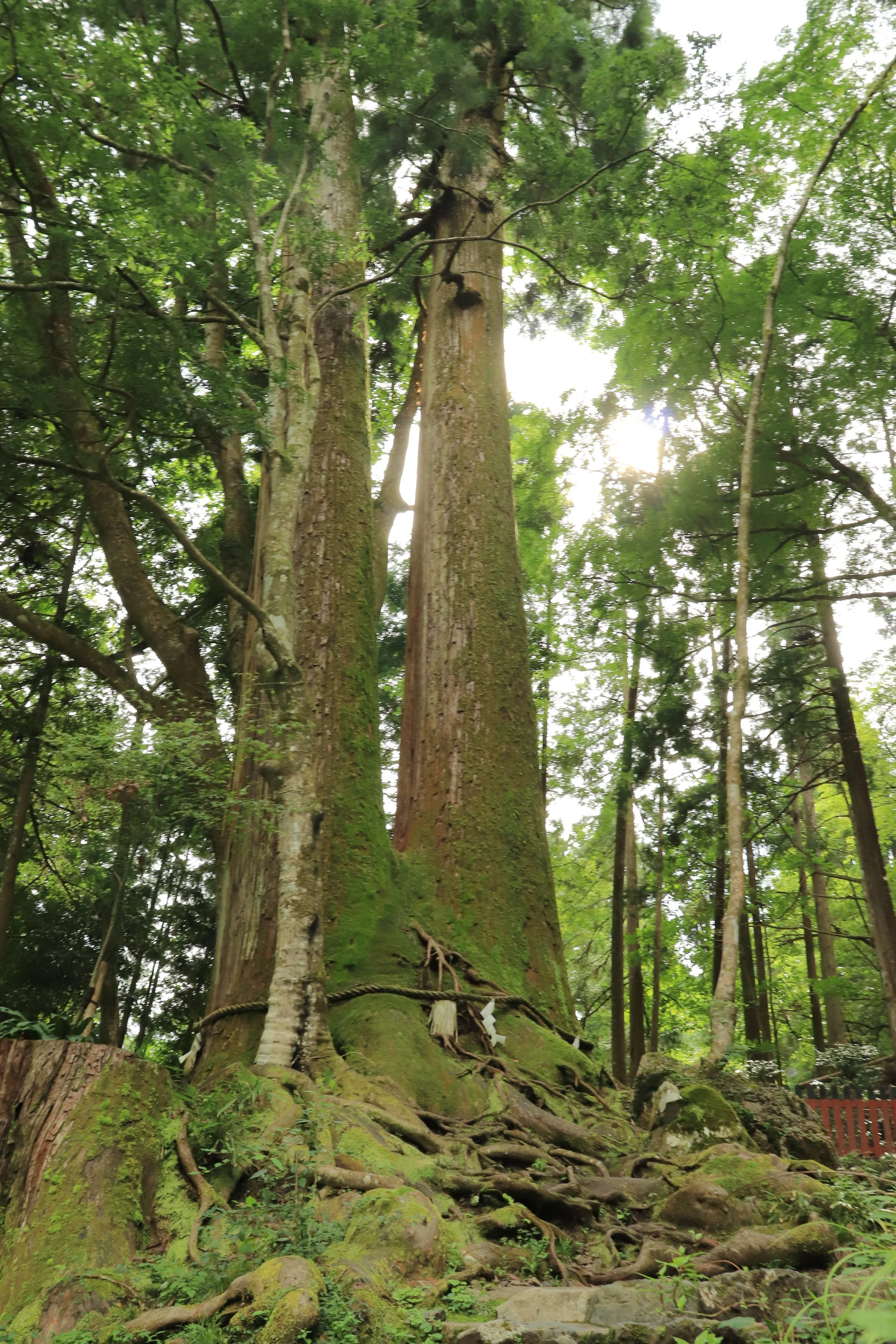
Kurama: Located in the northern mountains of Kyoto, the forest trails connecting Kurama and Kibune pass through cedar forests, temple grounds, and quiet mountain scenery. The area is also deeply connected to spiritual practice and mountain worship. Walking through Kurama’s forests, visitors may notice how naturally the atmosphere encourages silence and inward reflection.
Kyoto Botanical Gardens: An easy option for Shinrin-yoku for a family. Visitors can enjoy a gentler form of forest bathing among seasonal greenery, ponds, and shaded walking areas without leaving the city. Benches beneath large trees, quiet greenhouse areas, and seasonal flowers create a calm environment.
Okuno-in of Saisho-in Temple: Another hidden location for Shinrin-yoku can be found near Nanzen-ji Temple, around the forested paths leading toward Komagataki and the Okuno-in of Saisho-in Temple. Away from the busy sightseeing routes, the area offers moss-covered stone paths, quiet streams, and dense greenery that create a deeply contemplative atmosphere. Especially after rainfall, the forest feels cool, fragrant, and almost completely removed from the pace of the city.